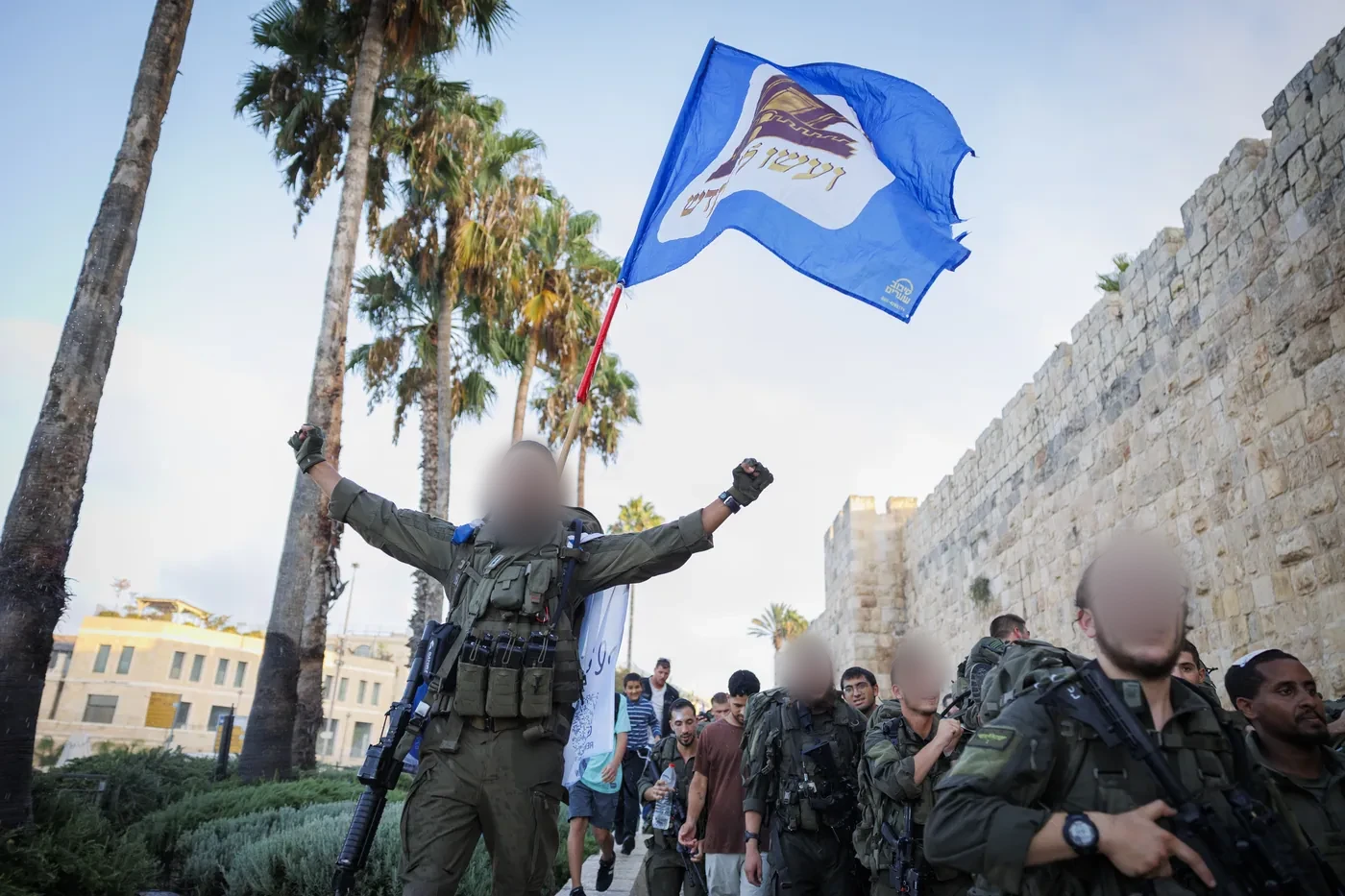
Moshe’s last war, the war of retribution against Midian

The only way to stop the Israeli war machine is to strike at its spiritual defense, by driving holiness, God forbid, out of the camp. Some lessons
At the end of the Book of Bamidbar (Pinchas and Matot), we encounter the command concerning the last war of Moshe Rabbeinu before his passing, the war of vengeance against Midian: “Harass the Midianites and strike them, for they harass you with their plots,” and afterward, in Parashat Matot: “Take vengeance for the Children of Israel against the Midianites; afterward you shall be gathered to your people.” The Holy One, blessed be He, makes Moshe’s passing conditional on carrying out this war, and from this we learn how much weight it bears. To understand the essence of this war, we must go back to the chain of events that led to it.
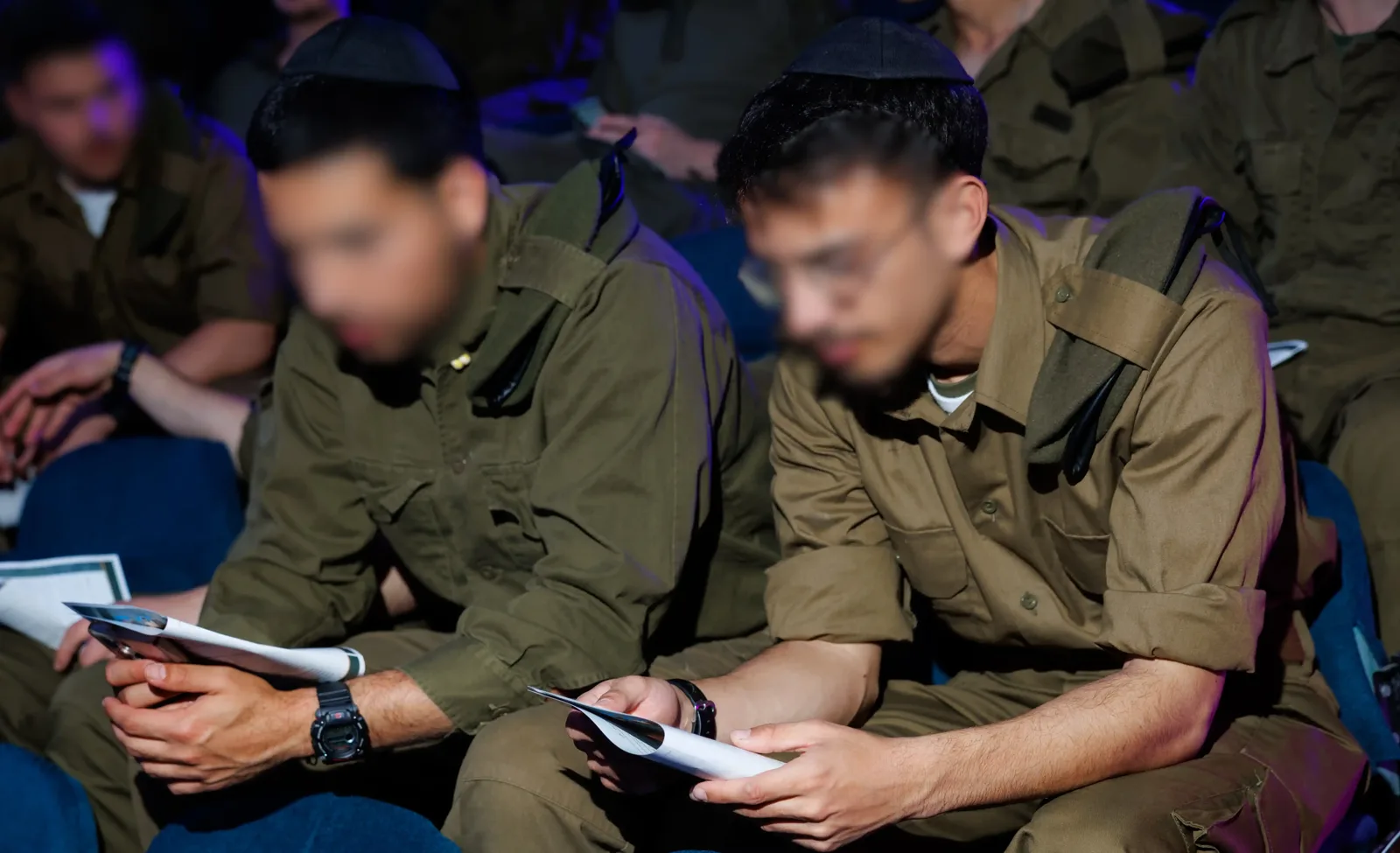
Bilam’s formidable technological power did not help him. His counsel, though, struck the “air defense”
The story begins in Parashat Balak. Balak, king of Moav, hires the wicked Bilam to curse Israel. Our Sages teach that Bilam possessed “spiritual technology” of the very first rank. On the verse “And there has not arisen a prophet since in Israel like Moshe,” they expounded: “In Israel none arose, but among the nations one did arise, and who was he? Bilam.” This comparison holds, of course, only on the professional and technical plane of attaining prophecy and commanding spiritual and supernatural forces, and by no means, God forbid, in the moral, ethical or Torah sense, in which Bilam was utterly debased.
Yet all of Bilam’s supernatural powers availed him nothing. Time after time he tried to find a breach in the protective wall around the People of Israel, to look at them from different angles and find a curse, and he failed. He was forced to acknowledge their guarded beauty: “How goodly are your tents, O Yaakov, your dwelling places, O Israel.”
When Bilam saw that direct spiritual force could not harm the people, he changed his strategy. He understood that you cannot inflict a blemish on one who has no blemish, but you can cause him to blemish himself. Bilam devised his terrible counsel: to lead the People of Israel into sin through the daughters of Moav and Midian. In this way he did not fight the people head on. He struck at their “air defense,” the Divine providence sheltering them.
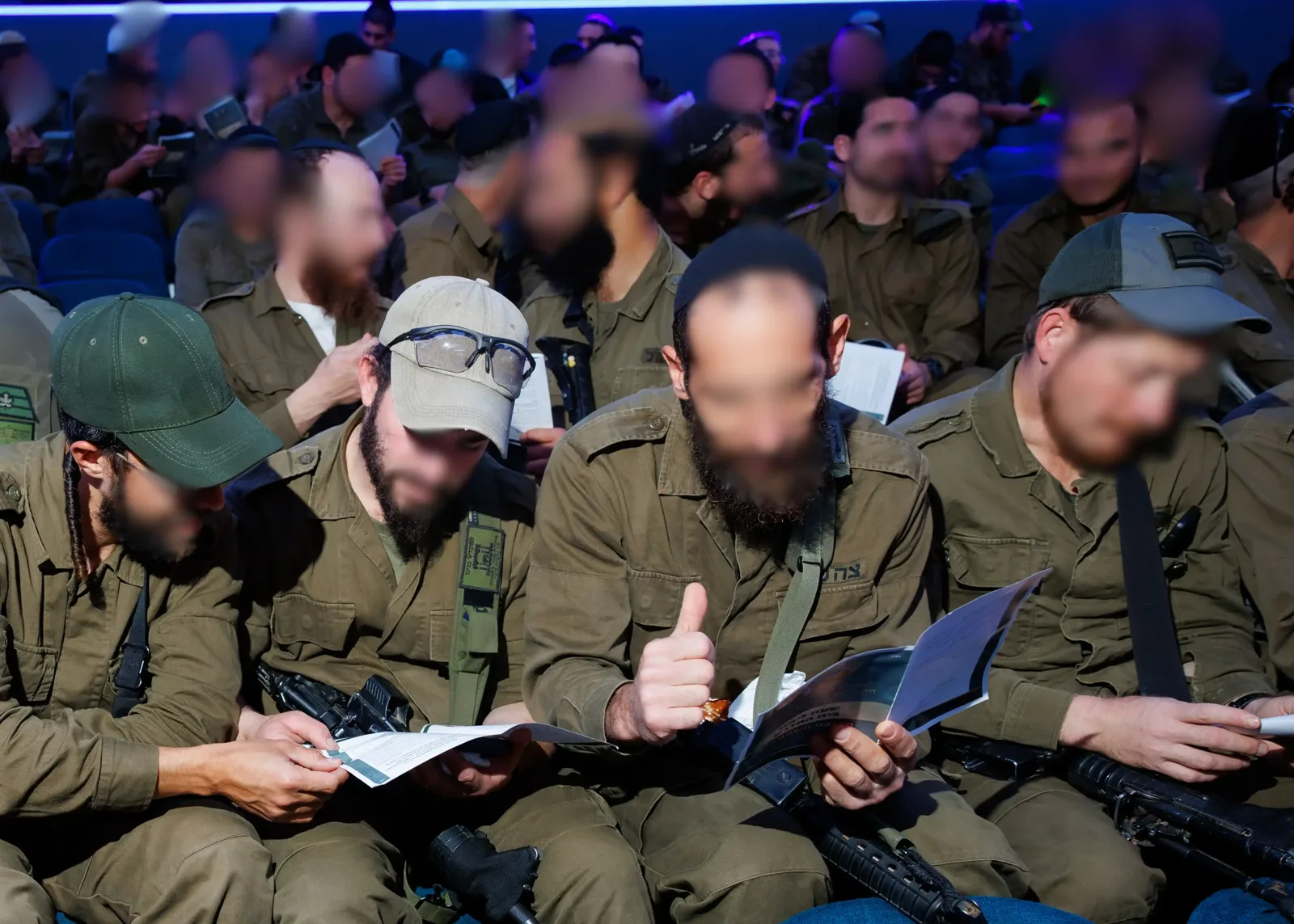
As we learn in the Book of Devarim: “When you go out as a camp against your enemies, you shall guard yourself from every evil thing… For Hashem your God walks in the midst of your camp to save you and to deliver your enemies before you, therefore your camp shall be holy.” Holiness in the camp is far from a mere moral recommendation or a fine character trait. It is an absolute condition of existence and of operations. It is the only way to win. When the wall of holiness was breached through Bilam’s counsel, the heavenly protection was removed and the terrible plague broke out, taking the lives of twenty-four thousand men.
The war against Midian and the enlistment of righteous fighters
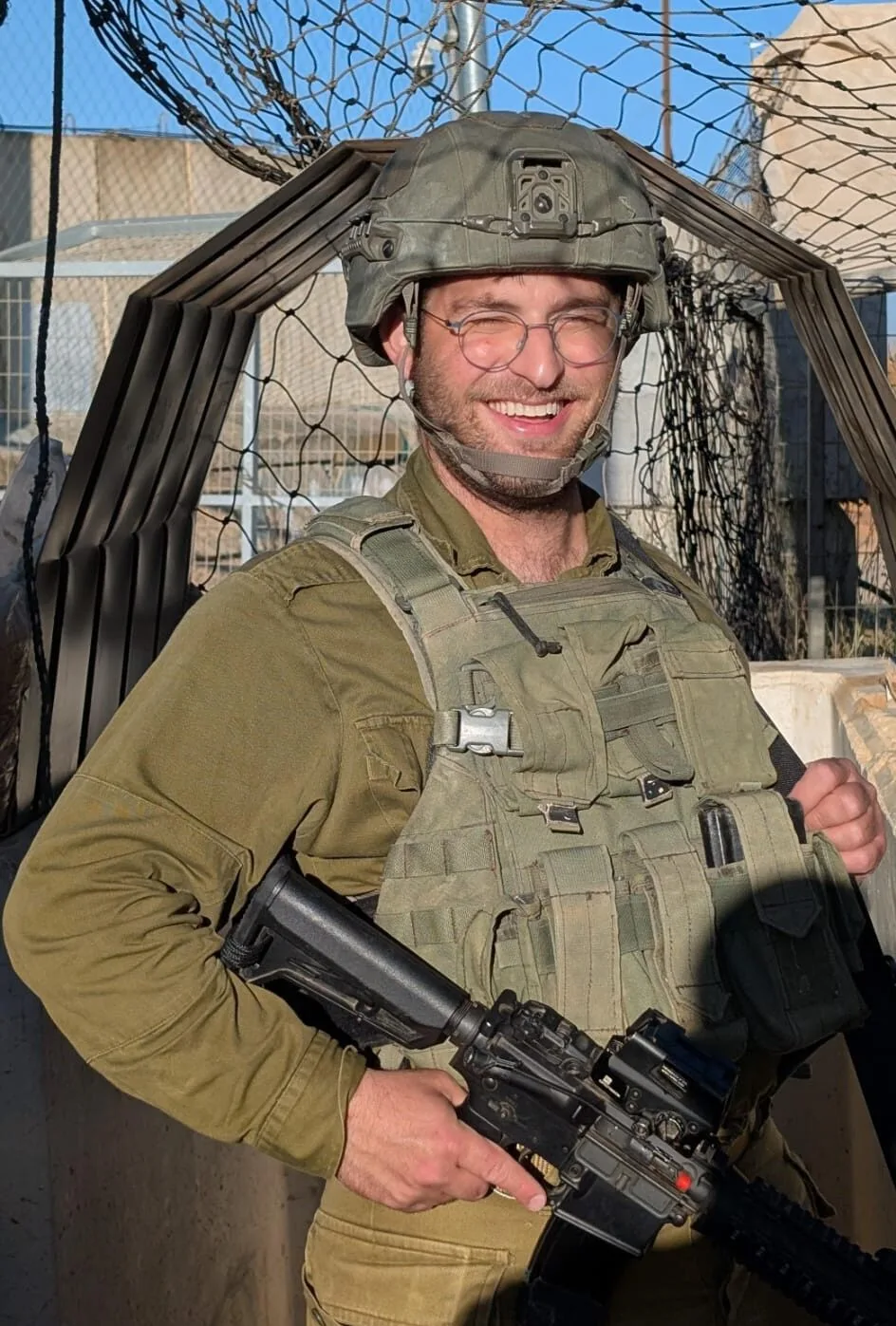
The war against Midian, then, is no classic border war, no war of territorial conquest, and no routine war of defense either. It is a spiritual war of retribution and vengeance, meant to repair the fissure of impurity that Bilam had opened in the People of Israel. The Holy One, blessed be He, does not forgive an injury to the purity of the people and to the resting of His Presence in the camp, and so a repair at the root was required here.
Because of this war’s special character, the Torah specifies a unique division of the forces: “A thousand per tribe, a thousand per tribe, for all the tribes of Israel.” Our Sages in the Sifrei (cited by Rashi) stress that the phrase “for all the tribes of Israel” comes to include the tribe of Levi as well. Although the tribe of Levi generally does not go out to the wars of conquest of the Land, in this particular war, whose chief purpose is purification and spiritual repair from impurity, Moshe commanded them to take part, whether in the fighting itself or in carrying the Ark of the Covenant (as the Gur Aryeh explains, thereby resolving the difficulty of the inclusion of the Levites and the count of twelve rather than thirteen, given that Ephraim and Menashe were counted).
The Ramban raises the obvious question: why were only a thousand men sent from each tribe, and why did the whole people not go out to battle, as usually happens?
The answer lies in the purity of the fighters. A war against moral corruption and impurity cannot be conducted by those who have themselves been injured by it. Whoever had stumbled with the daughters of Moav or been influenced by Bilam’s counsel had lost the spiritual right to come and set the wrong right and to bring retribution upon the Midianites. To fight the source of Midian’s impurity, it was precisely the holiest, purest and most set-apart men among the people who were needed. Only a force of refined holiness through and through could go out, win and close the spiritual breach in the camp of Israel.
What a holy war looks like
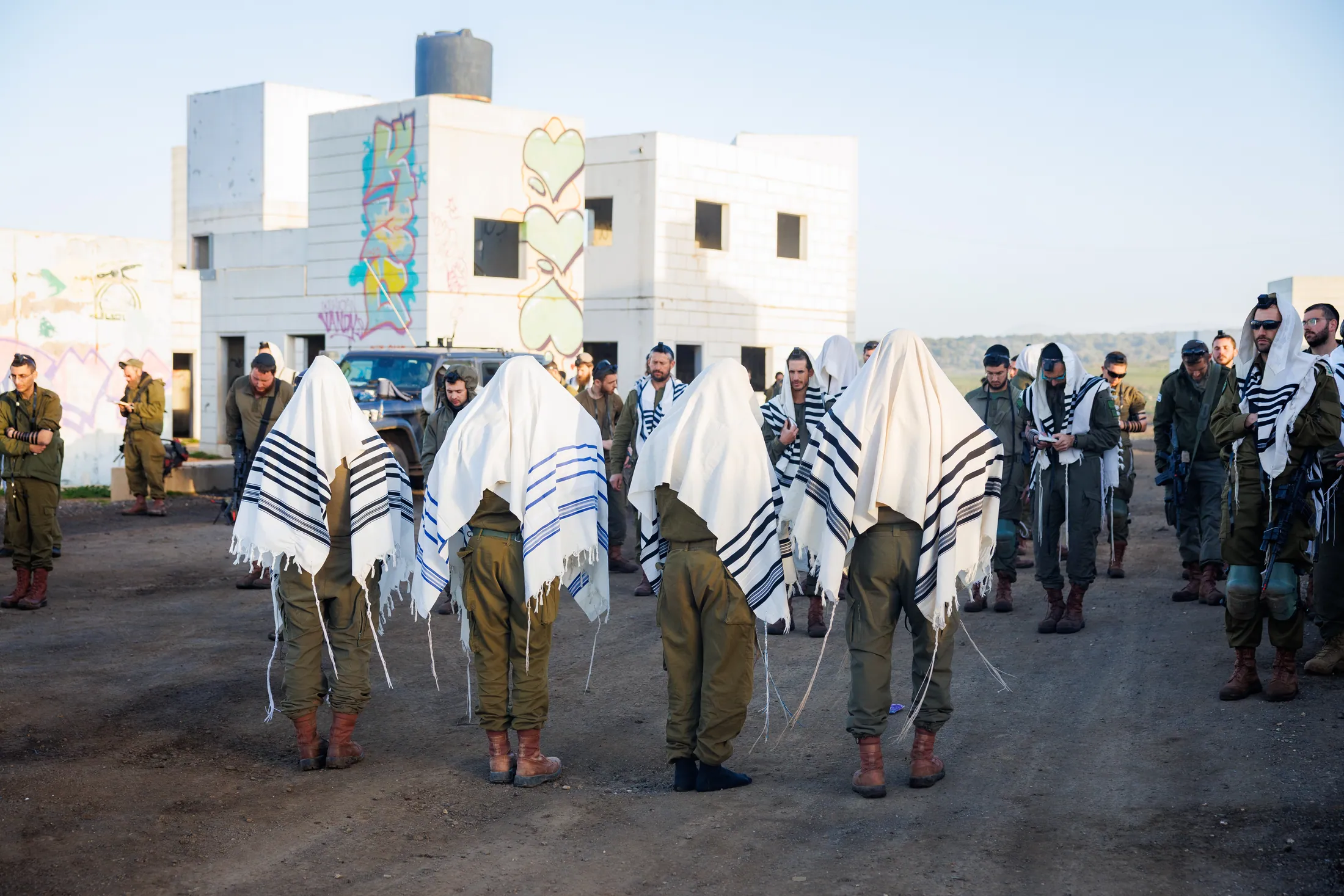
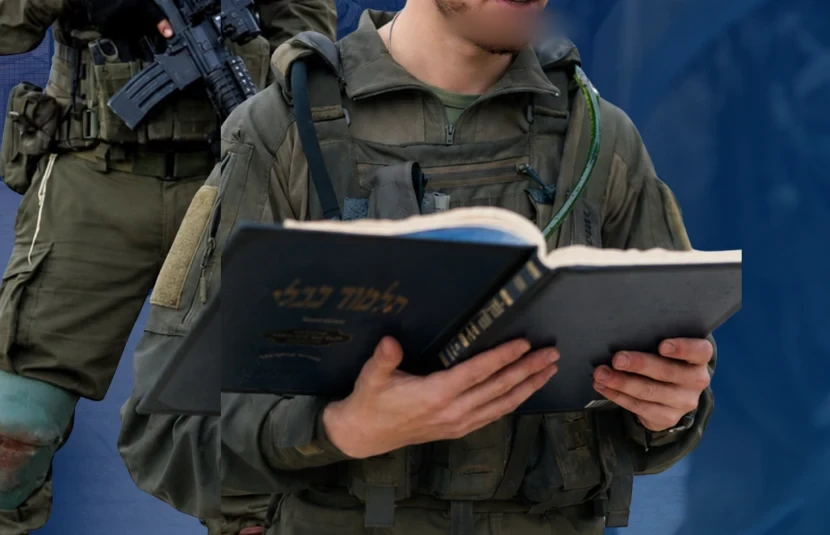
Our Sages expounded further that “a thousand per tribe, a thousand per tribe” means that, besides twelve thousand fighters, there were given over another “twelve thousand for prayer… who were handed over in pairs to one another.”
There is no victory without holiness; on the contrary, it is precisely the righteous who may fight. Nor is there war without the prayer of the parallel thousand, the yeshiva men and pillars of Torah and prayer.
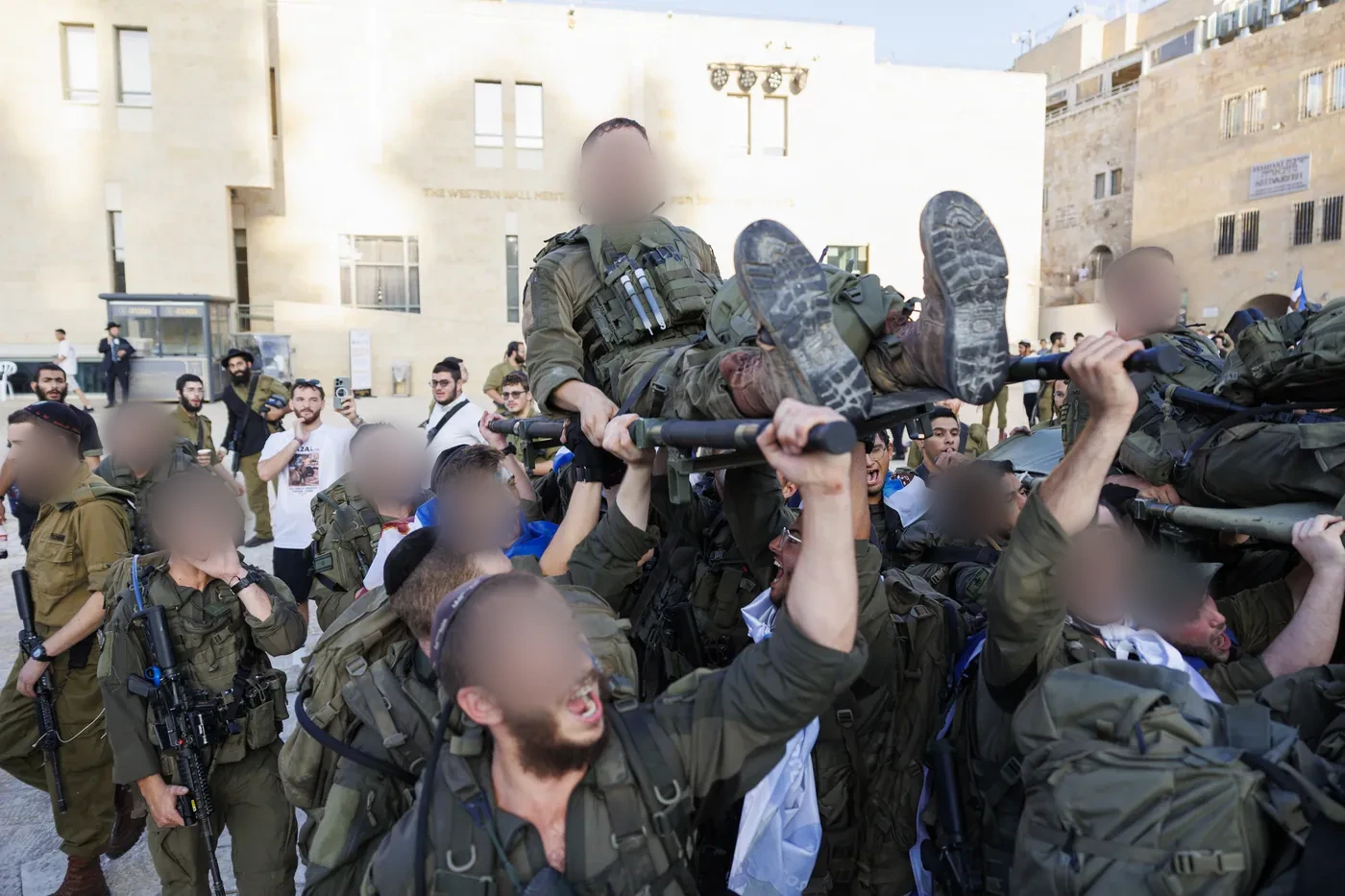
With God’s help, so it is in our own war camp. With God’s help we succeed in keeping it clean and holy, and the voices of Torah and prayer are heard. For even in wartime we are held to account for Torah, as the angel said to Yehoshua, “Now I have come,” concerning the matter of Torah study.
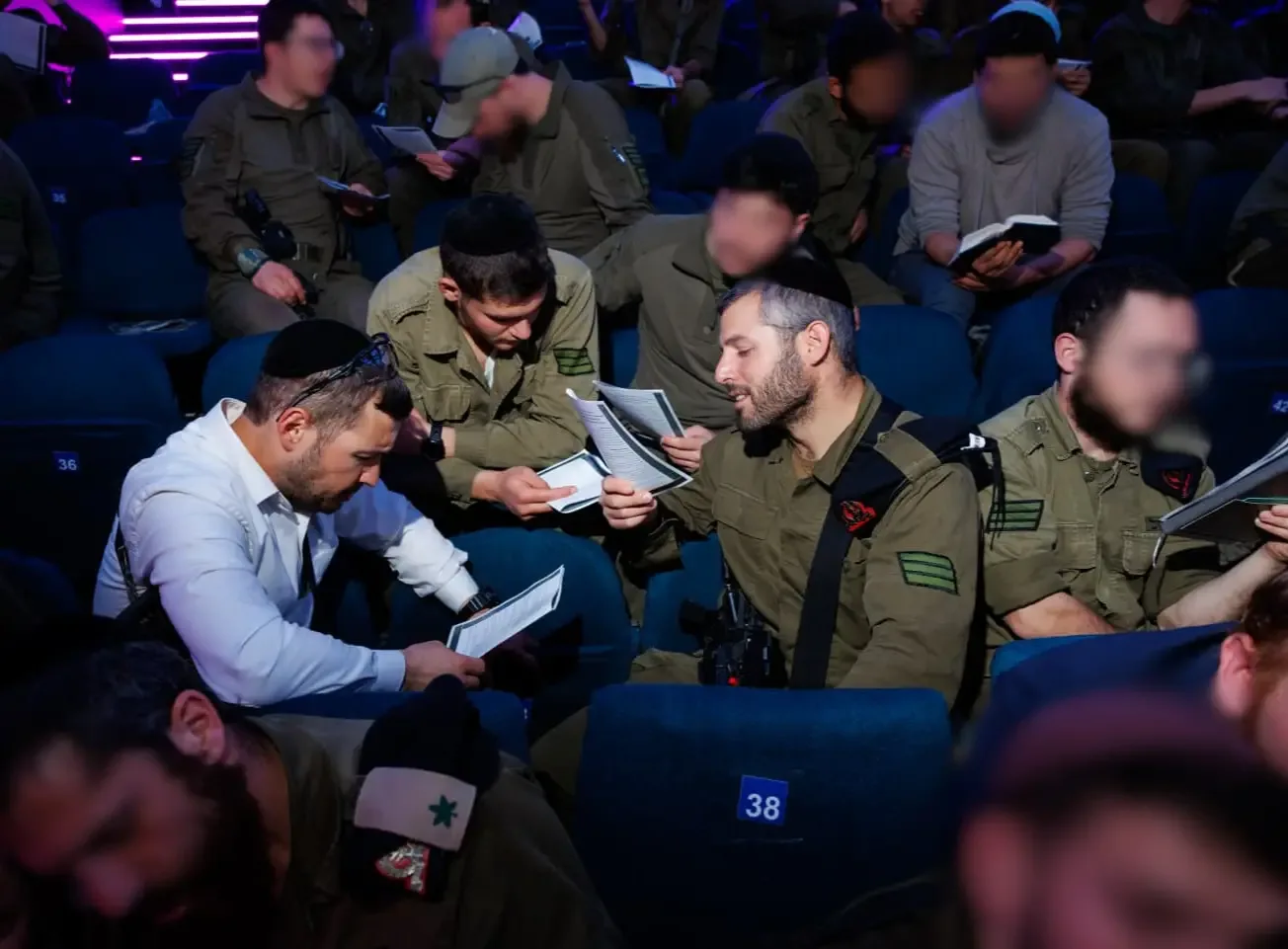
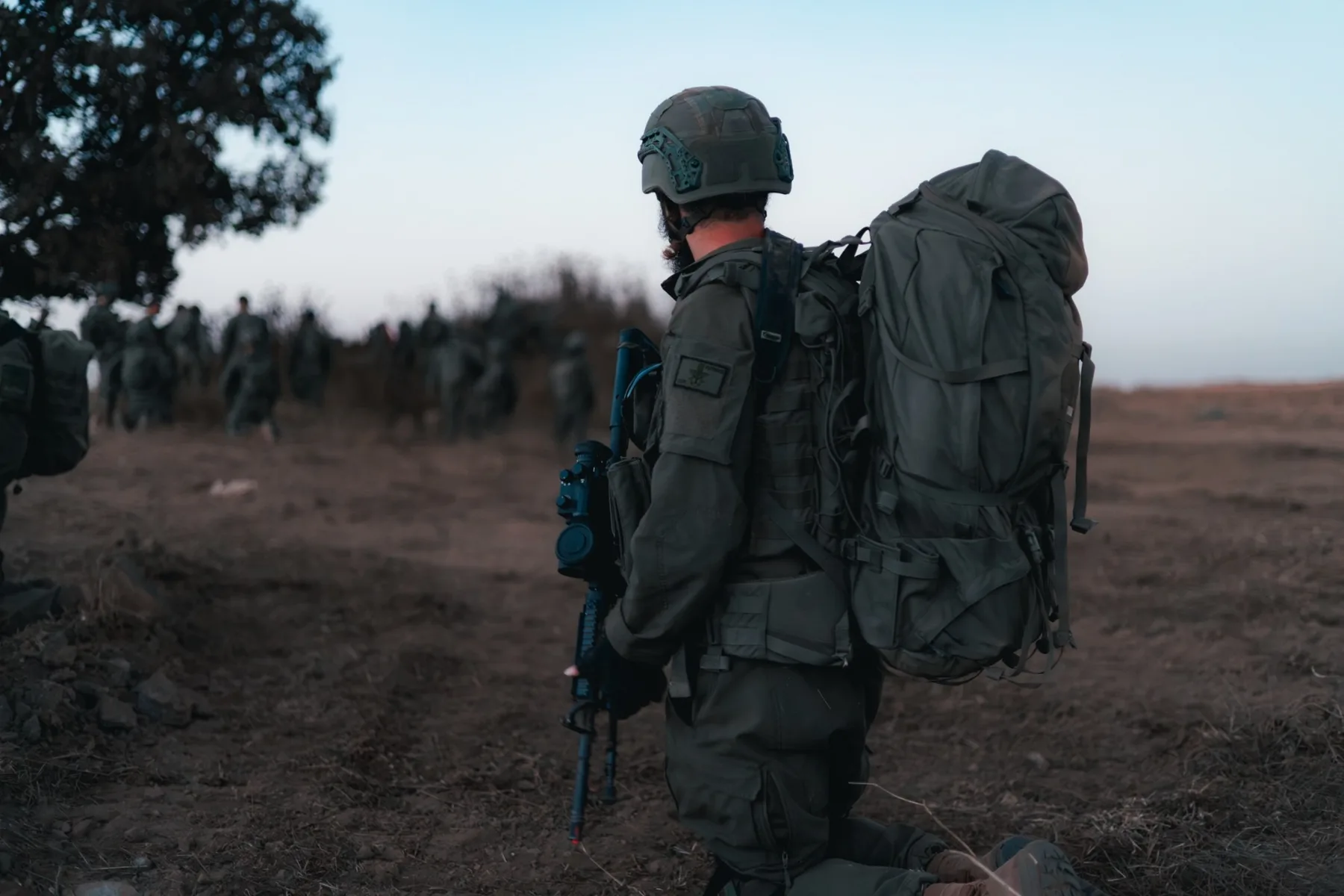
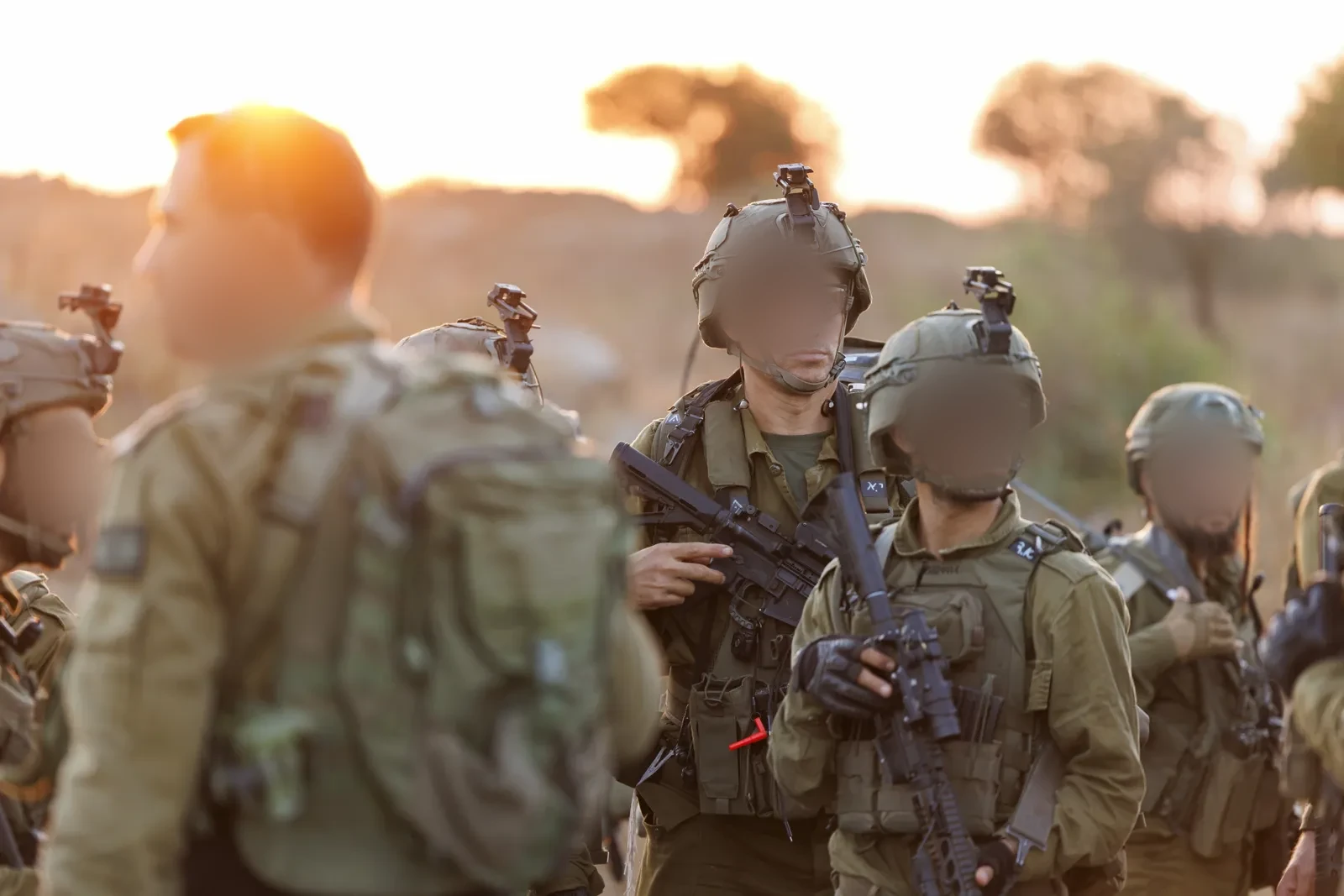
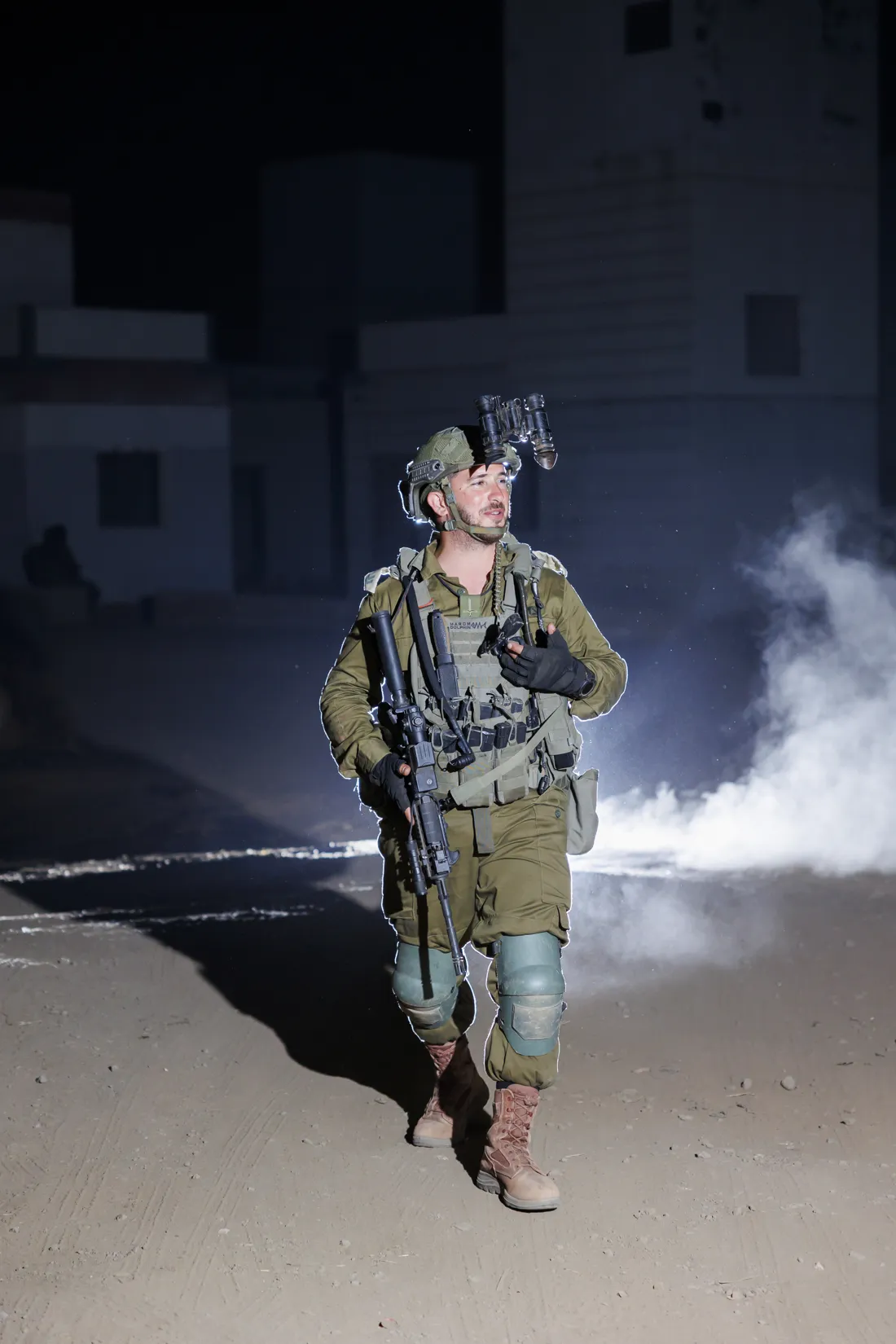
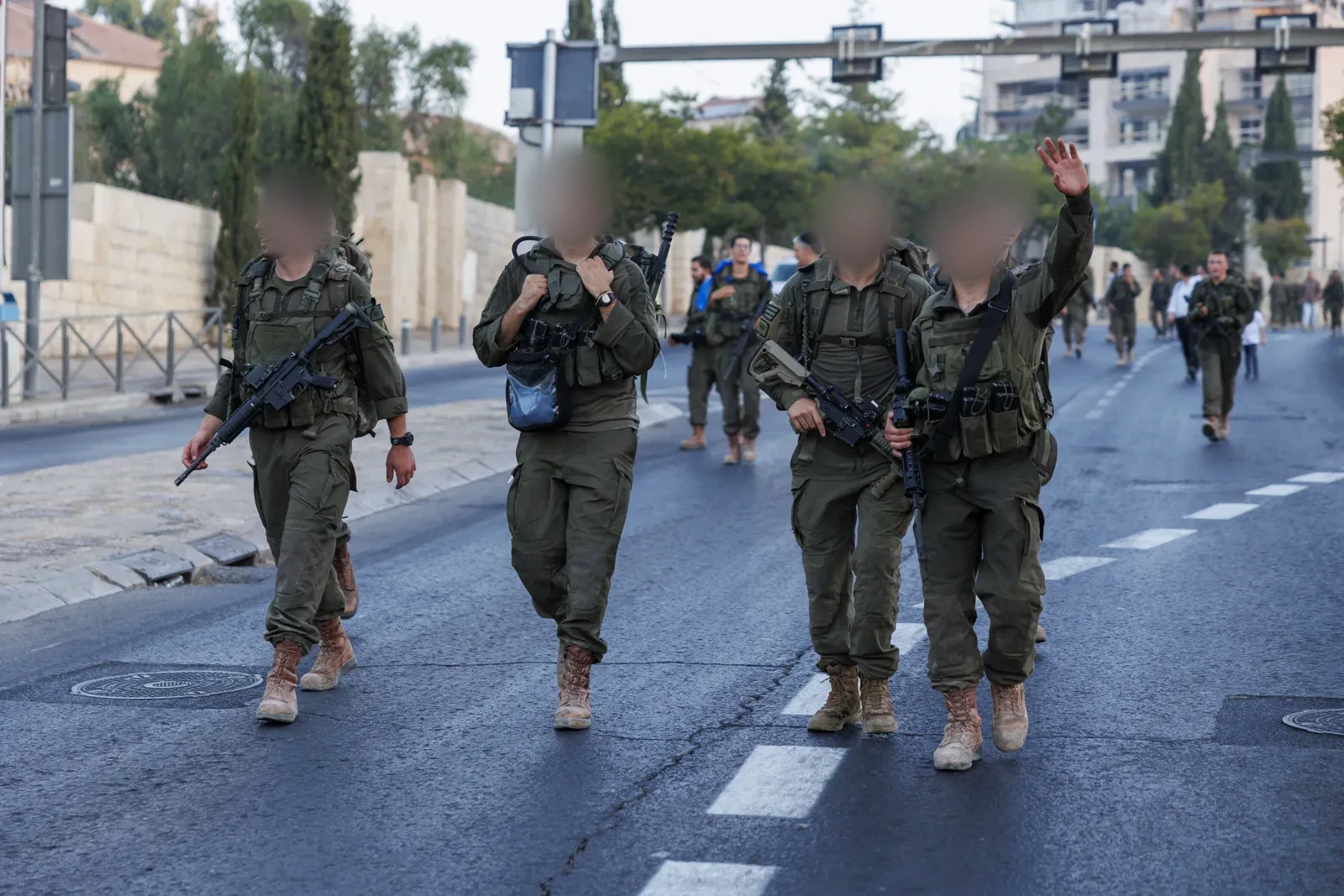
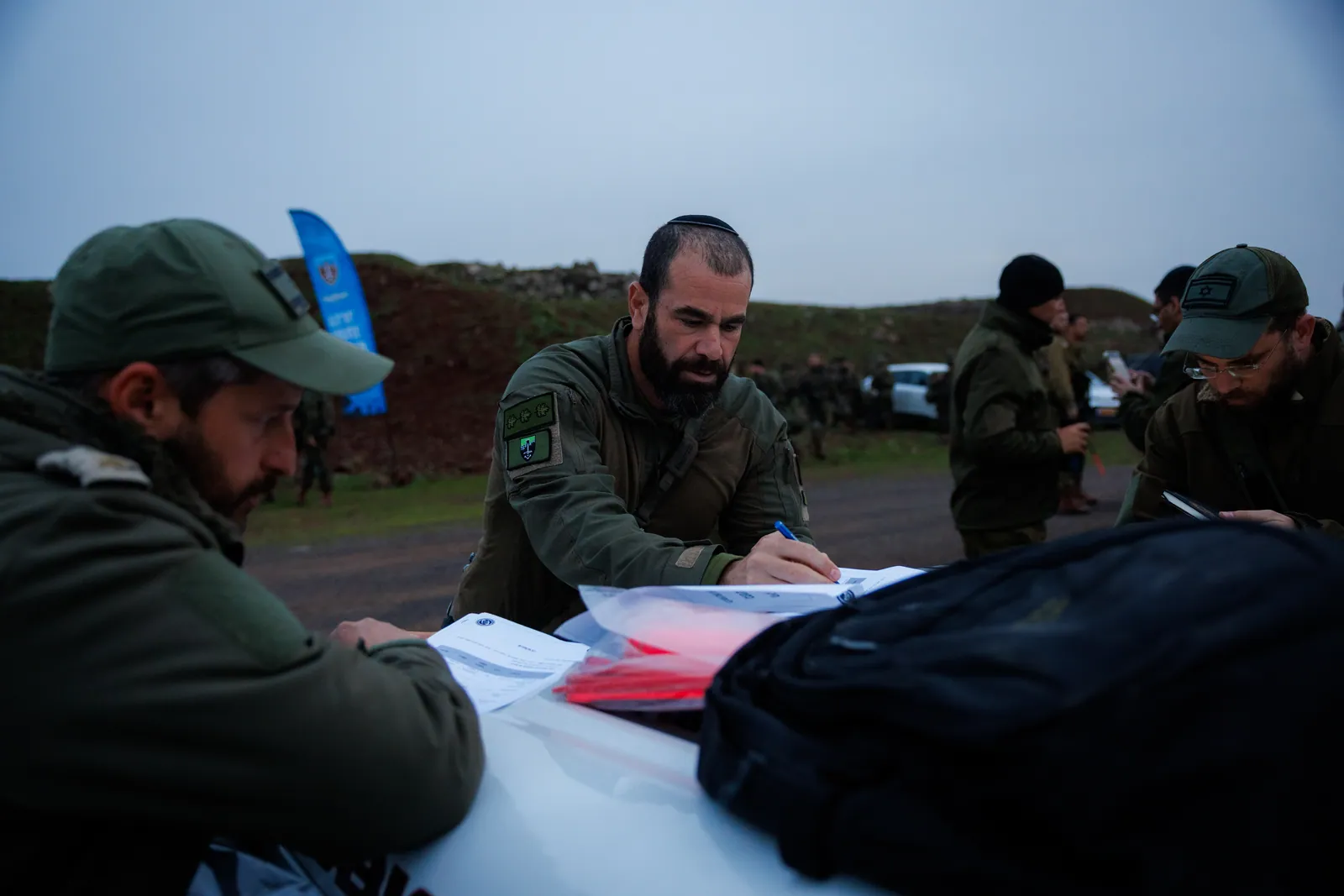
And on a personal note: those who know me always hear from me how filled I am with gratitude for every moment I am privileged to accompany this wonderful band of combat soldiers, bnei Torah and God-fearing men, true Chashmonaim. You are the embodiment of “a thousand per tribe,” whether now, in the army, as one of the twelve thousand fighters, or tomorrow, when you return to yeshiva and become one of the parallel twelve thousand of prayer and Torah.