The terrorist in the shaft beneath our forces | The booby-trapped house | The force under attack | The Divine providence that rested above the fighters’ heads • Also: Torah study and the defense of the People of Israel, “Can two walk together unless they have agreed?”

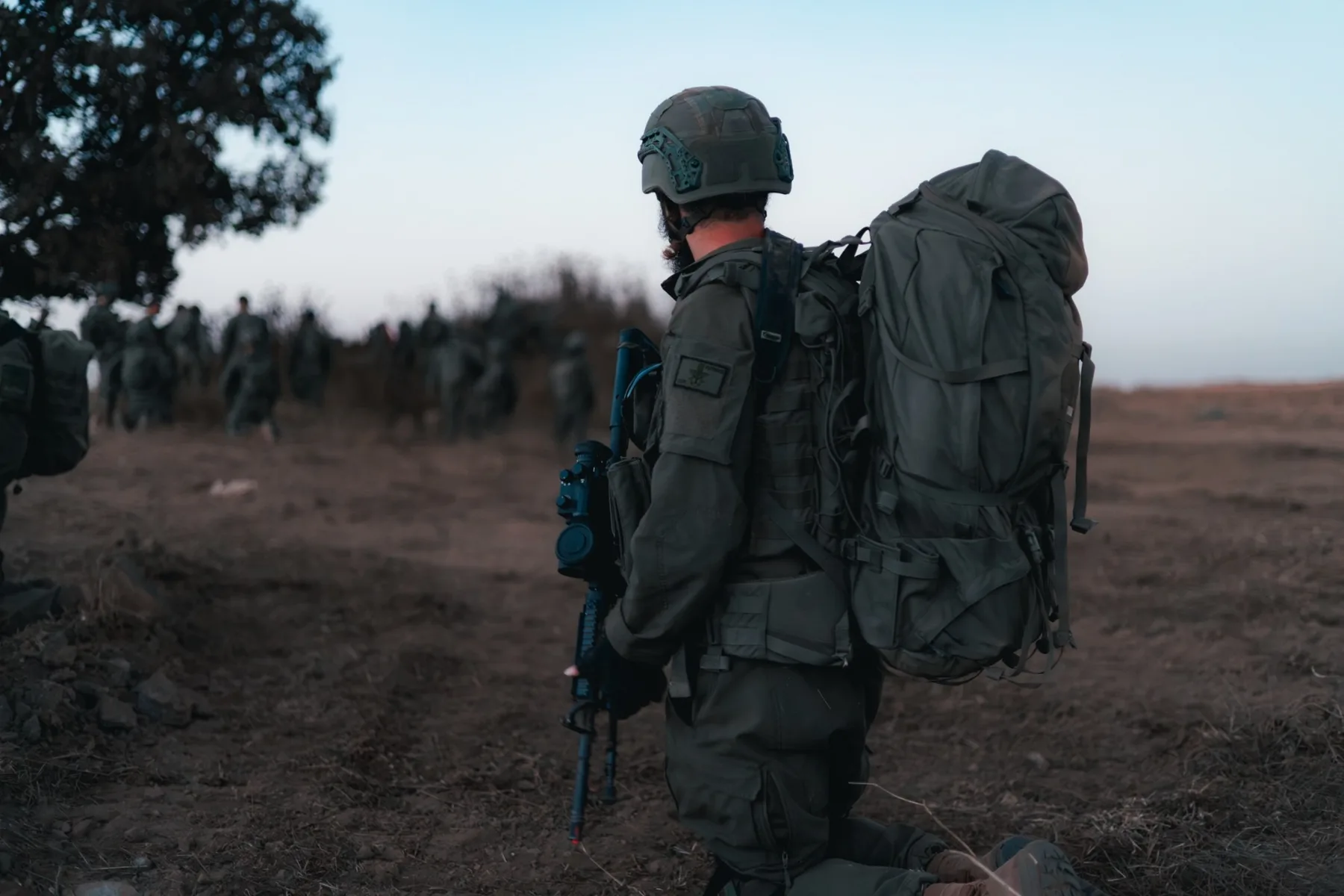
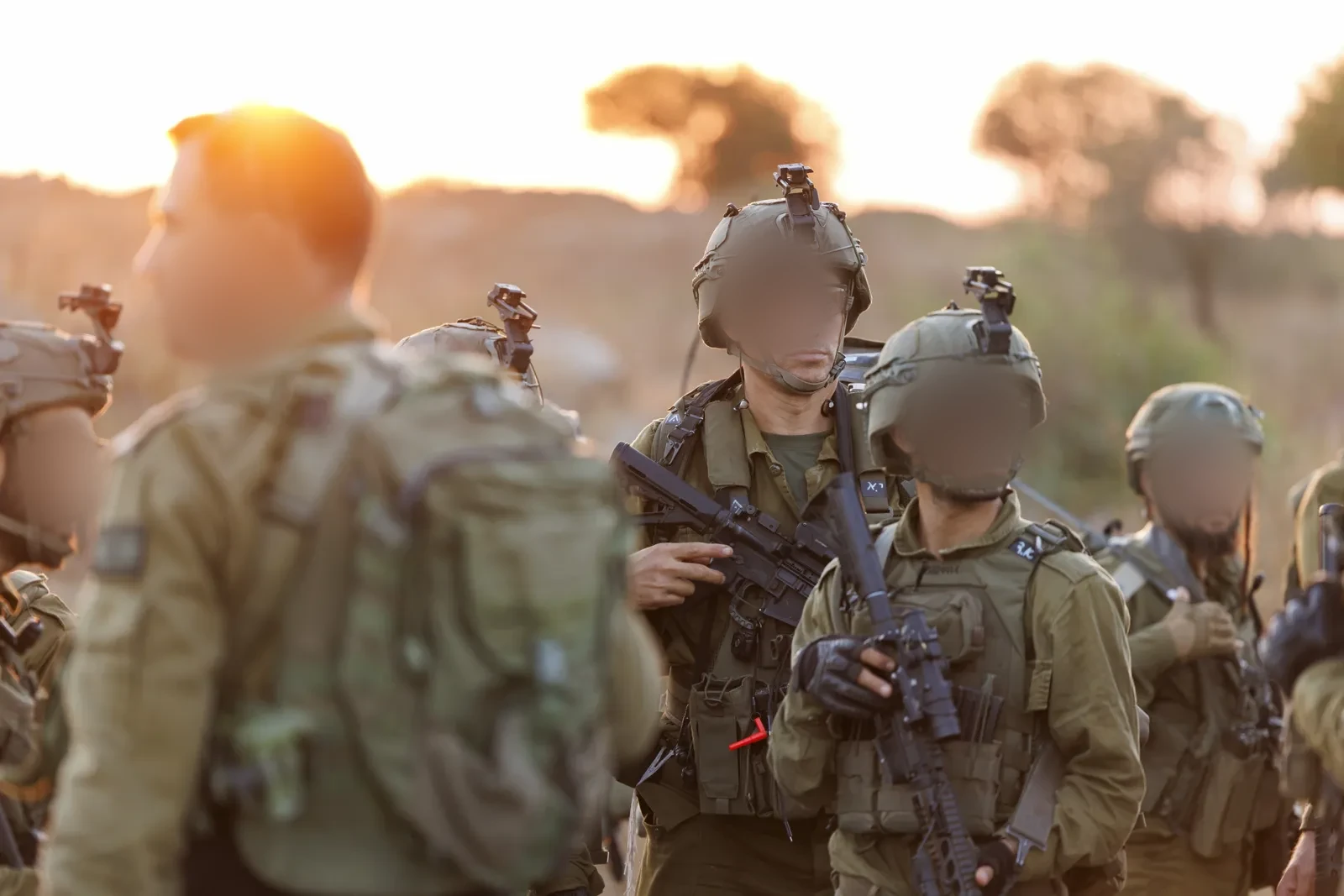
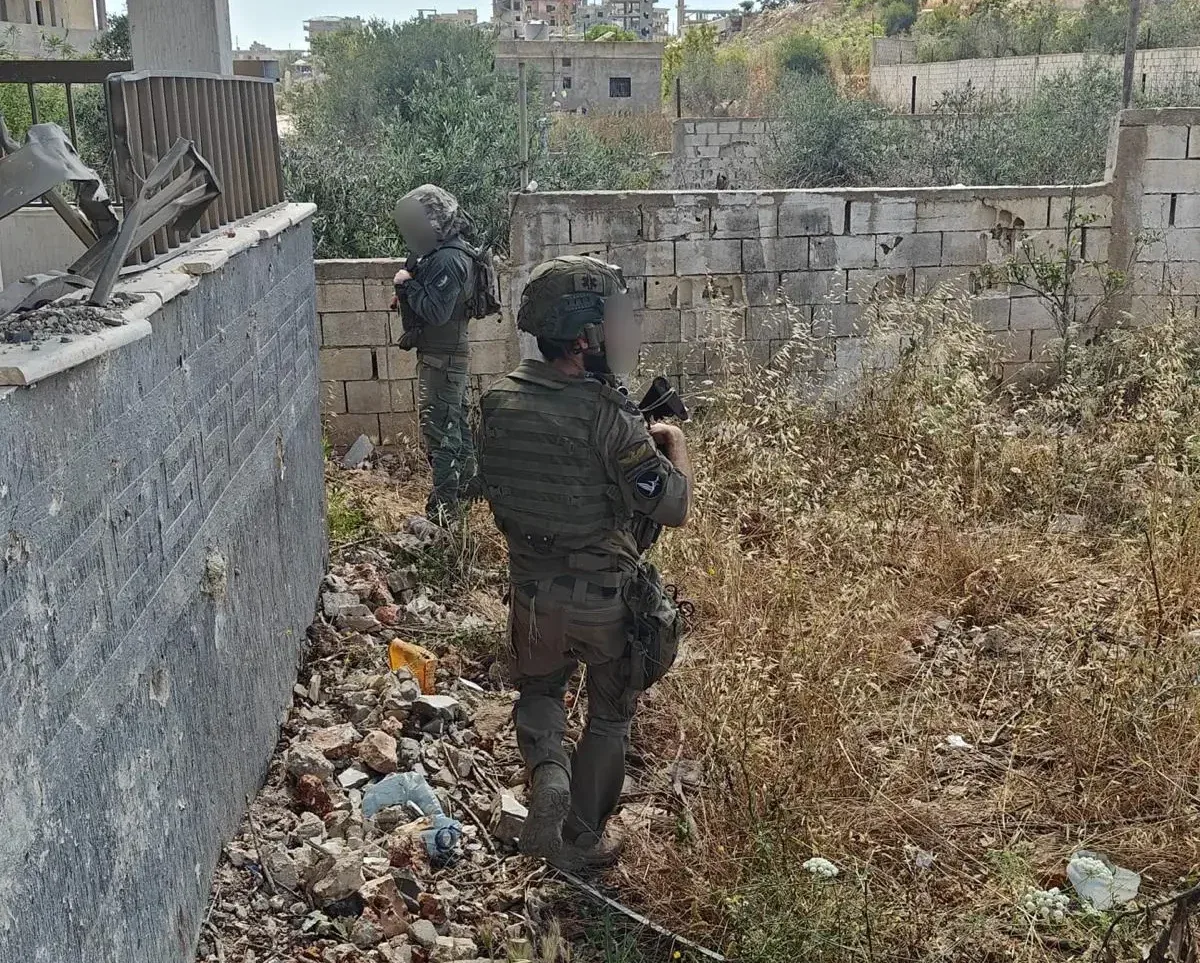
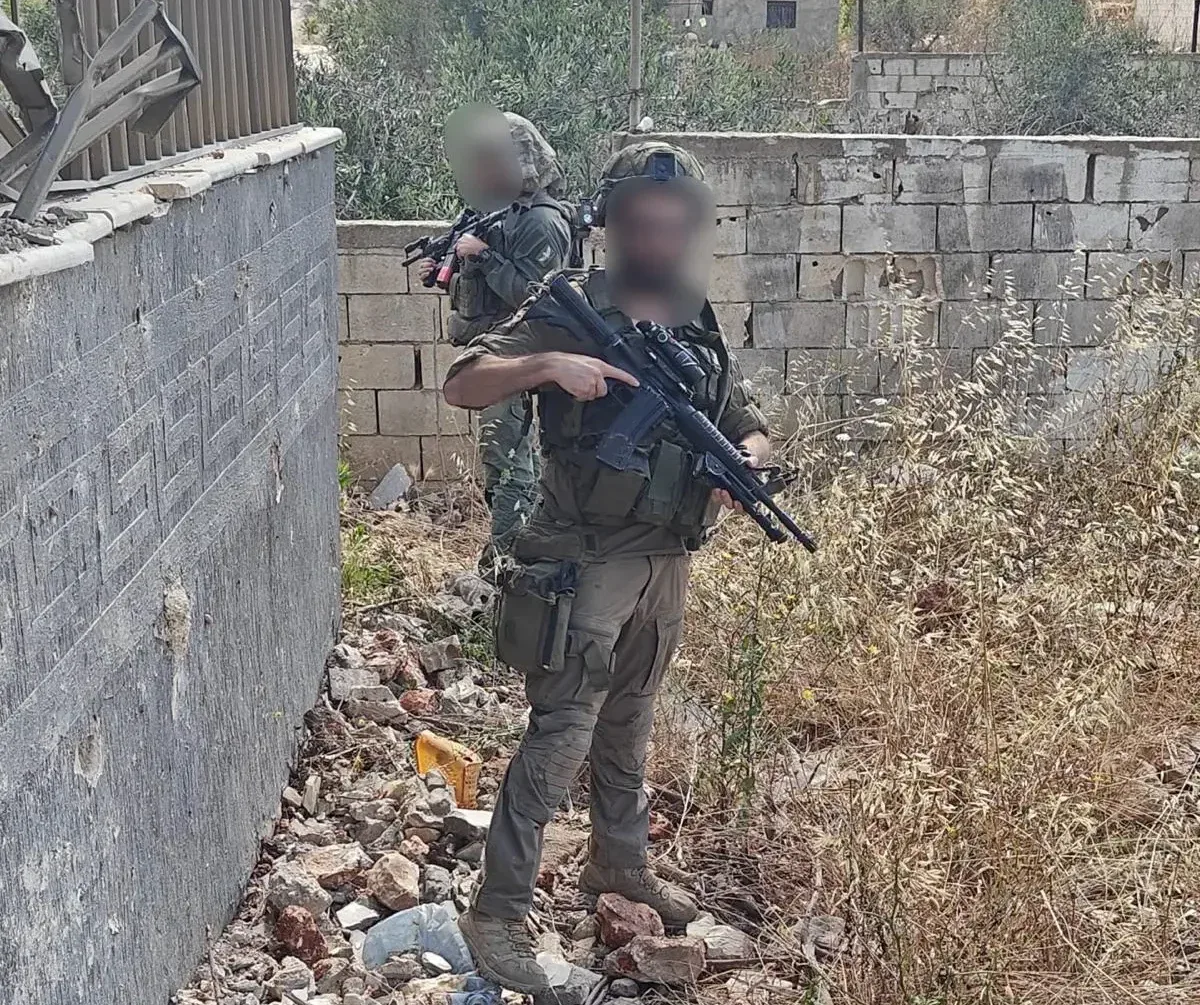
We were advancing up the mountain, through the center of the terrorist-infested Lebanese village we had captured two days earlier. Above us whistled the mortars our battalion was firing at the enemy, and now we were closing in on the buildings we had to take.
Just before we reached them, we passed the highest point on the ridge. Still running, I glanced to the right and was transfixed by the magnificent sight of the city of Tyre spread out below us. A sight I will never forget.
While we were clearing several of the buildings, the Yahalom combat-engineer team with us blew a breaching frame on a building suspected of holding a tunnel shaft, and moved in to investigate the shaft.
What they found stood out at once: a twin-core cable running out of the shaft and leading to the building right next to us. A building we were about to breach and enter.
As the force was taking in what this meant, a report came over the radio from the battalion’s intelligence officer: a terrorist was sitting deep in the shaft, reporting that he could hear the IDF force above him and waiting for them to enter the booby-trapped building so he could blow it up on top of them.
The Battalion Commander called for air support. The Air Force informed us that the bomb was about to drop. We understood what that meant and withdrew beyond the safety range, into the sector of another company in the battalion that was operating in the area, a safe distance from the strike.
At the very moment we reached the second company and settled inside a ruined building they had captured, the earth shook, and this time we understood very quickly that these were not the “proper” explosions of our own forces. We heard only the tail of the whistle together with the blast, and the blasts were too close. They were on us. I looked around me, and the sight was breathtaking and overwhelming: everything around us was fire and fireworks, but there was no safety range. Not close, not anywhere near. This time we were the target.
The feelings that rose in my heart, as I shielded my head and the house all but collapsed on top of us, were mixed and at odds with each other: “That’s it, this is where it ends. I never got to say goodbye to my wife and children.”
“All right, no time to think. Any second now there will be wounded to save, a mass-casualty event, we have to move!”
I raised my head and saw, in my mind’s eye, the Divine providence shielding us from above.
The dog from the Oketz canine unit with us went wild and howled. Soldiers from different units were crying out, searching for their friends and checking on them, and very quickly we understood: a miracle had happened here!
Divine providence is always with us.
But that night we saw it with our own eyes, three times.
That morning, when we got back to our building, I said Mizmor LeToda, the Psalm of Thanksgiving, with the deepest kavanah of my life.
These days I am finishing two and a half months of operational deployment on the line of contact in Southern Lebanon, with the reserve battalion in which I have served for the past six years: Reconnaissance Battalion 551.
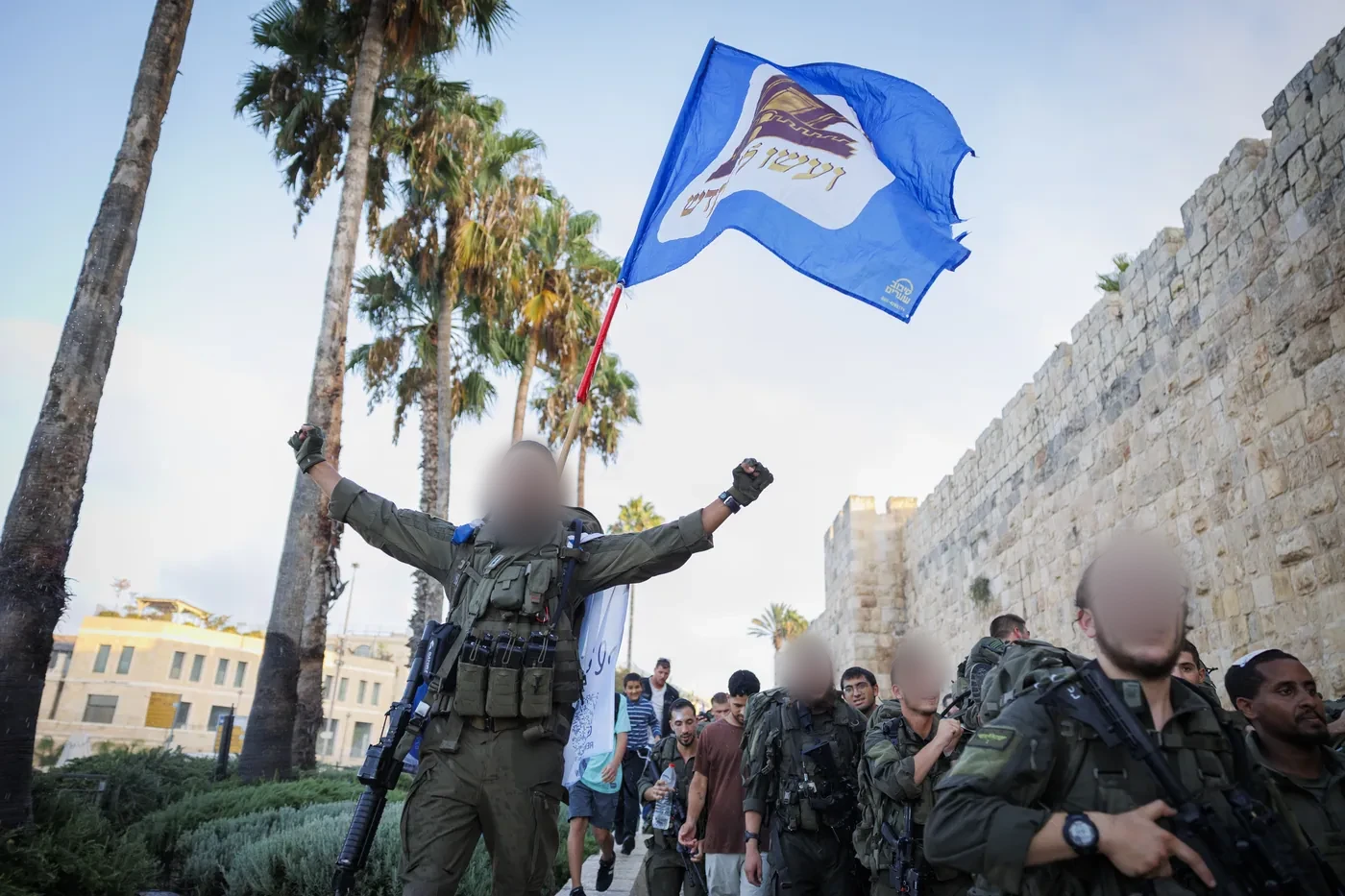
I am returning to routine, to the Chashmonaim Brigade, which I joined at its founding, and I am entering, with holy trepidation, a new and singular position: Head of the Marketing Section of the Chashmonaim Brigade.
Challenge and opportunity
Our country is in the midst of a storm.
Reserve soldiers leave their families again and again to defend and fight for our people.
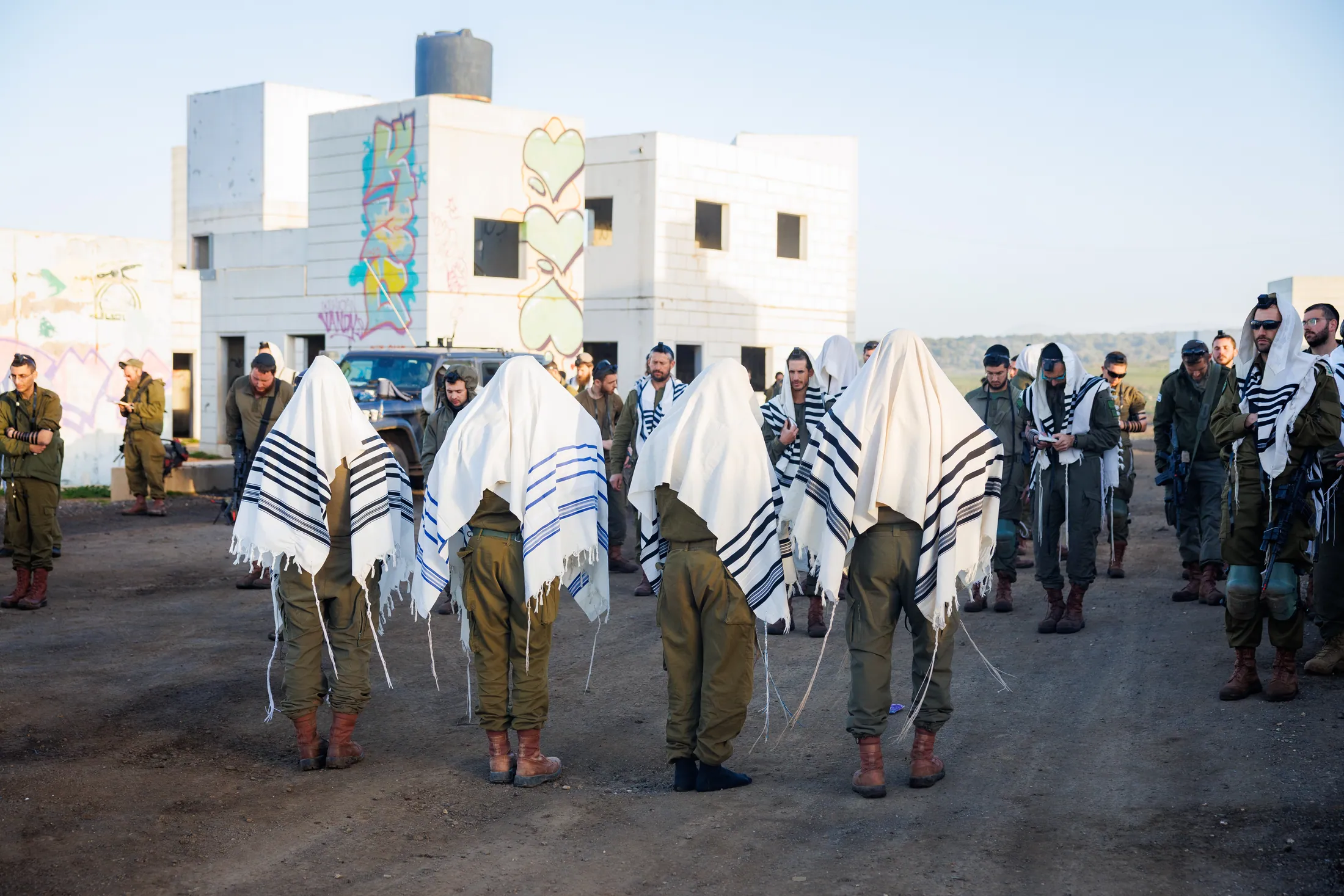
Yeshiva students, who sit in the world of Torah and carry the burden of spiritual protection in this fateful campaign, are left uncertain about their own fate and the future of the Torah world.
Each side looks at the other and cannot fathom how its pain goes unfelt and no hand is held out. The nation is polarized and divided. So it appears…
But that is not the truth.
In the middle stand Charedi young men, God-fearing, who have resolved in their hearts:
The world of Torah matters to us!
The security of the people and the Land matters to us no less!
The revolution under way in the brigade is immense, and the wider public is not sufficiently aware of it. The time has come for everyone to know it.
A protected, spiritual greenhouse that raises bnei Torah, combat soldiers, lions who go out to defend Jews with mesirut nefesh, utter self-sacrifice.
***
Mesirut nefesh, the chain of generations
I think of a relative of mine, a Charedi young man, a Chabad chassid, who came to the Land from the Soviet Union in 5714 and, after completing his yeshiva studies, enlisted in the Paratroop Nachal. In his reserve service he served in the Palsar, the reconnaissance company, of the 7th Brigade, as a sapper and battalion scout during the Six-Day War. During the War of Attrition, after his son was born, he returned to his unit, which was fighting on the Suez Canal, and there he fell, sanctifying Hashem’s Name, in an exchange of fire with the enemy, together with his commander.
On the Shabbat after his death the Lubavitcher Rebbe mentioned his name in tears, as one “who gave up his life to sanctify Hashem’s Name,” and added, “and surely Hashem will avenge his blood, and he will earn merit for himself and his children forever, and he will merit the life of the World to Come.”
His name was Reb Avraham David Morozov (Golombovich), may Hashem avenge his blood.
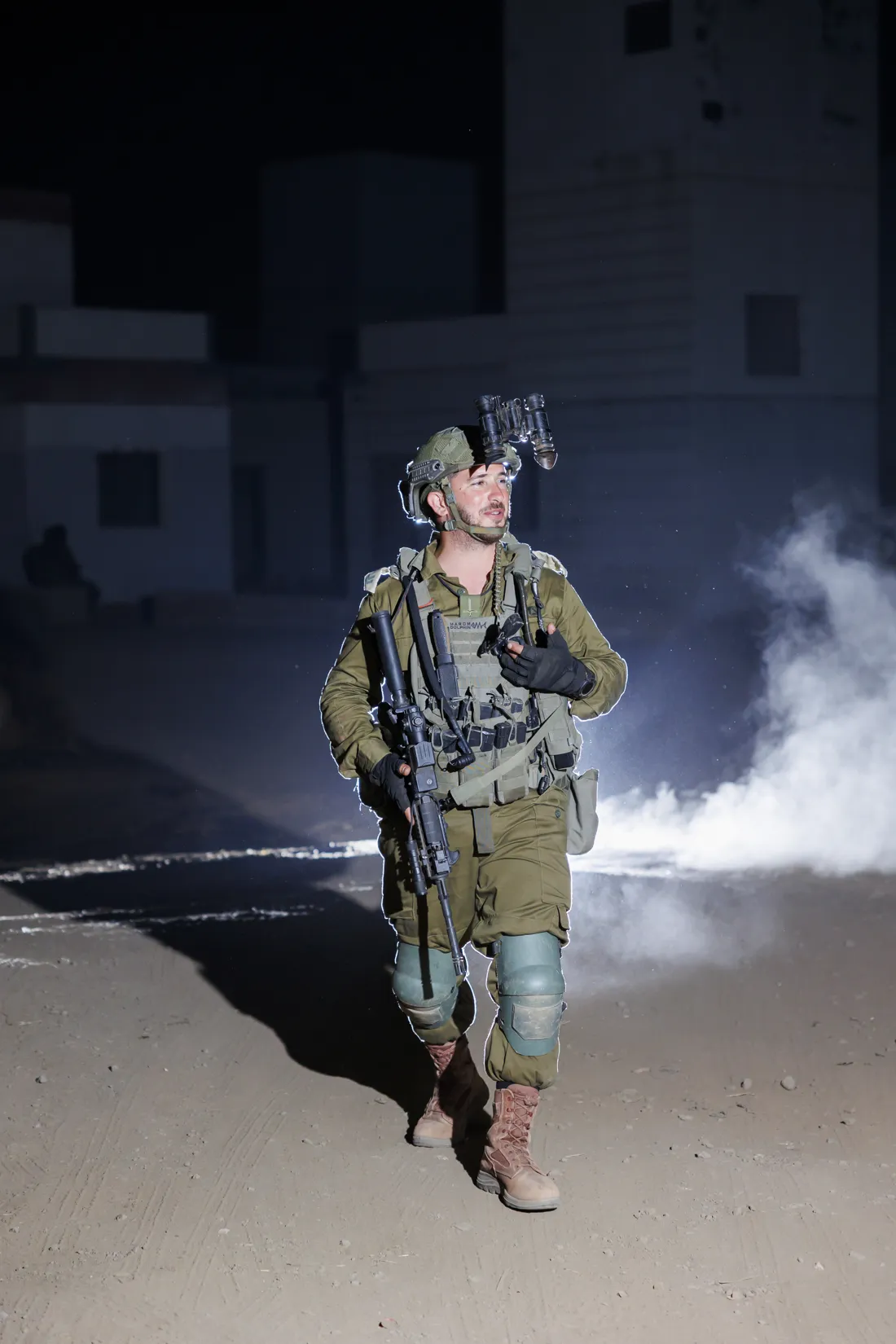
His grandson (the son of the son born shortly before his death) is Levi Morozov, a commander in the Yonatan Battalion of the Chashmonaim Brigade.
***
Those who learn Torah and those who fight at the front: the measure of influence and the measure of merit
In that same talk the Lubavitcher Rebbe dwelt on the great miracles that took place in the war and noted the part that those who learn Torah had played in the campaign, in the words of the Gemara:
“Were it not for David (who was occupied with Torah), Yoav could not have waged war,” meaning that the merit of David, who learned Torah and taught it publicly, stood by Yoav in David’s wars. And on the other hand, “Were it not for Yoav, David could not have occupied himself with Torah.” It resembles the partnership of those who learn Torah and those who support it, Yissachar and Zevulun: Zevulun’s success in commerce comes in the merit of Yissachar’s Torah, and Yissachar’s Torah is learned by virtue of Zevulun’s support.
“And still,” says the Rebbe, “I do not know which came before which!”
“Until we find in the verse, ‘Rejoice, Zevulun, in your going out, and Yissachar, in your tents,’ that ‘Zevulun was placed before Yissachar,’ and as Rashi explains there, ‘for the Torah of Yissachar came about through Zevulun’ (even though Zevulun’s success in commerce came about through the Torah of Yissachar).”
“From this it is also understood that those who go out to war come before those who learn Torah (even though their victory in war is in the merit of the Torah), all the more so, a fortiori, from the precedence given to those who support Torah:
“Great as is the standing of those who support Torah, by virtue of the greatness of the mitzvah of tzedakah (for one gives from the toil of his hands), it bears no comparison at all to the greatness of those who go out to war, who take their lives in their hands and place themselves in actual mortal danger, to wage war for the unity of Hashem (in the language of the Rambam), and especially in a milchemet mitzvah, ‘delivering Israel from an enemy who has come upon them’ (Rambam, Laws of Kings, chapter 5).”
Tactics or strategy?
Now, to what may this be compared?
When we fought our way up that mountain, the combat soldiers knew that without the intelligence cover provided by the soldiers of the Intelligence Directorate, sitting in an air-conditioned office in the center of the country, we could not complete the mission and win the battle.
That real-time report of a booby-trapped house with a terrorist in a tunnel would never have reached us without the uncompromising dedication of the Intelligence soldiers who were listening in on the enemy.
The response of the Air Force pilots to it, as well as to the terrorists who attacked us a few minutes later, was critical to our success.
But does anyone have any doubt who it was that took his life in his hands, and who deserves all the praise for capturing that village at enormous risk to life?
The soldiers in the air-conditioned offices, who deeply influenced the campaign, and the pilots in the cockpit knew it too: the credit belongs to the combat soldiers on the ground, who lay in the bushes, carried the loads, ran under fire, searched, destroyed and cleared the area.
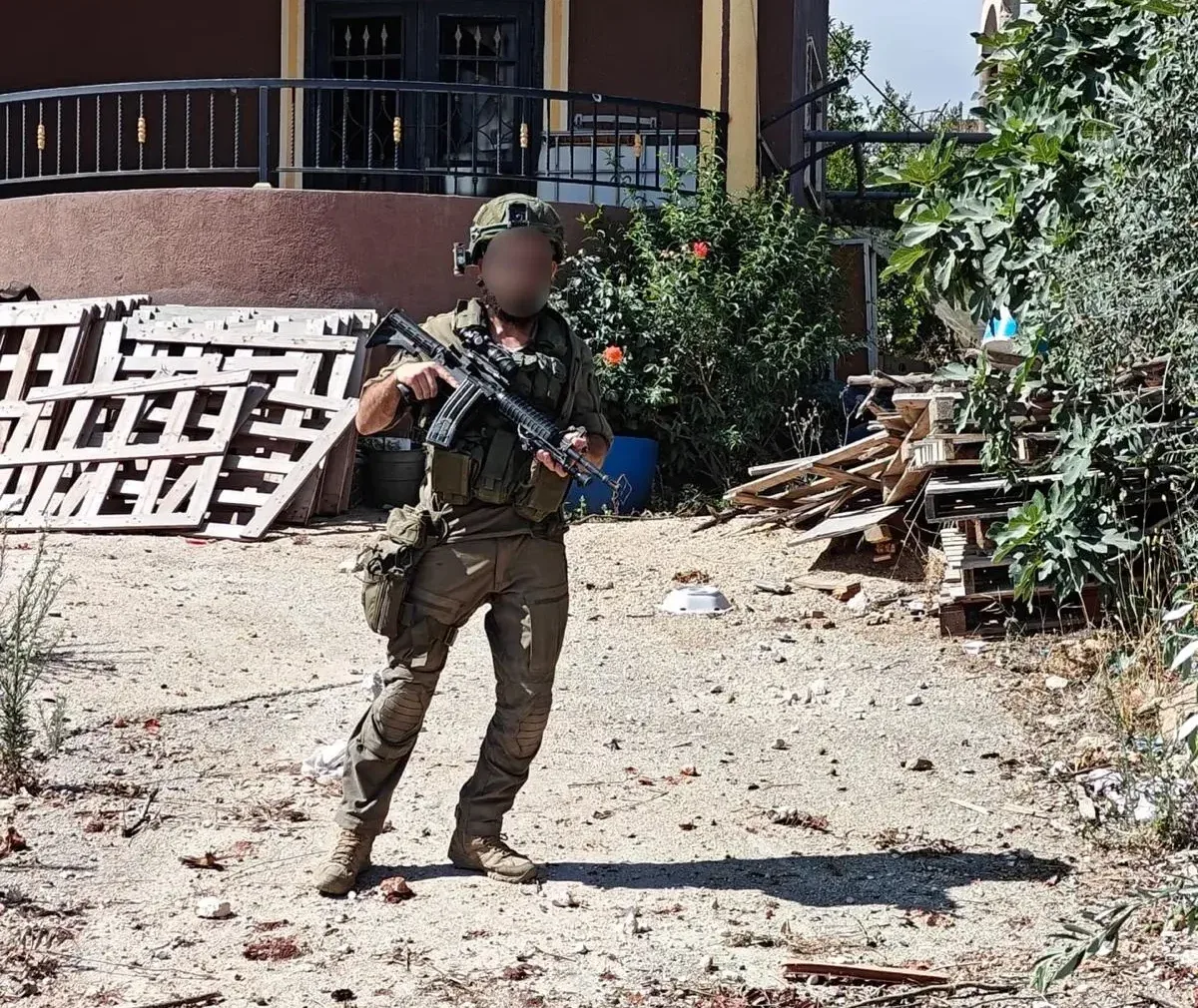
When we got back, after that night, a company commander, a kibbutznik who had been with us in the fighting, said to me, “I have no other way to explain what happened there except as a miracle!”
Yes, all of us saw it with our own eyes. It was Divine providence.
If anyone has any doubt: those who learn Torah influence the victory on the battlefield far more than the soldier at the tip of the spear, for this is the spiritual protection that makes the physical victory possible.
But it is equally clear to whom the great and singular merit of mesirut nefesh belongs, a merit no one else holds: our combat soldiers, who risk their lives and offer them up in actual deed.
And so the Rambam (cited above) concludes on the greatness of the reward of those who go out to war: “Whoever fights with all his heart… and his intention is solely to sanctify the Name, is assured that he will come to no harm and no evil will befall him, and he will build for himself a faithful house in Israel, and earn merit for himself and his children forever, and merit the life of the World to Come, as it is said: ‘For Hashem will surely make for my lord a faithful house, for my lord fights the battles of Hashem, and no evil shall be found in you… and the soul of my lord shall be bound up in the bond of life with Hashem your God.’”